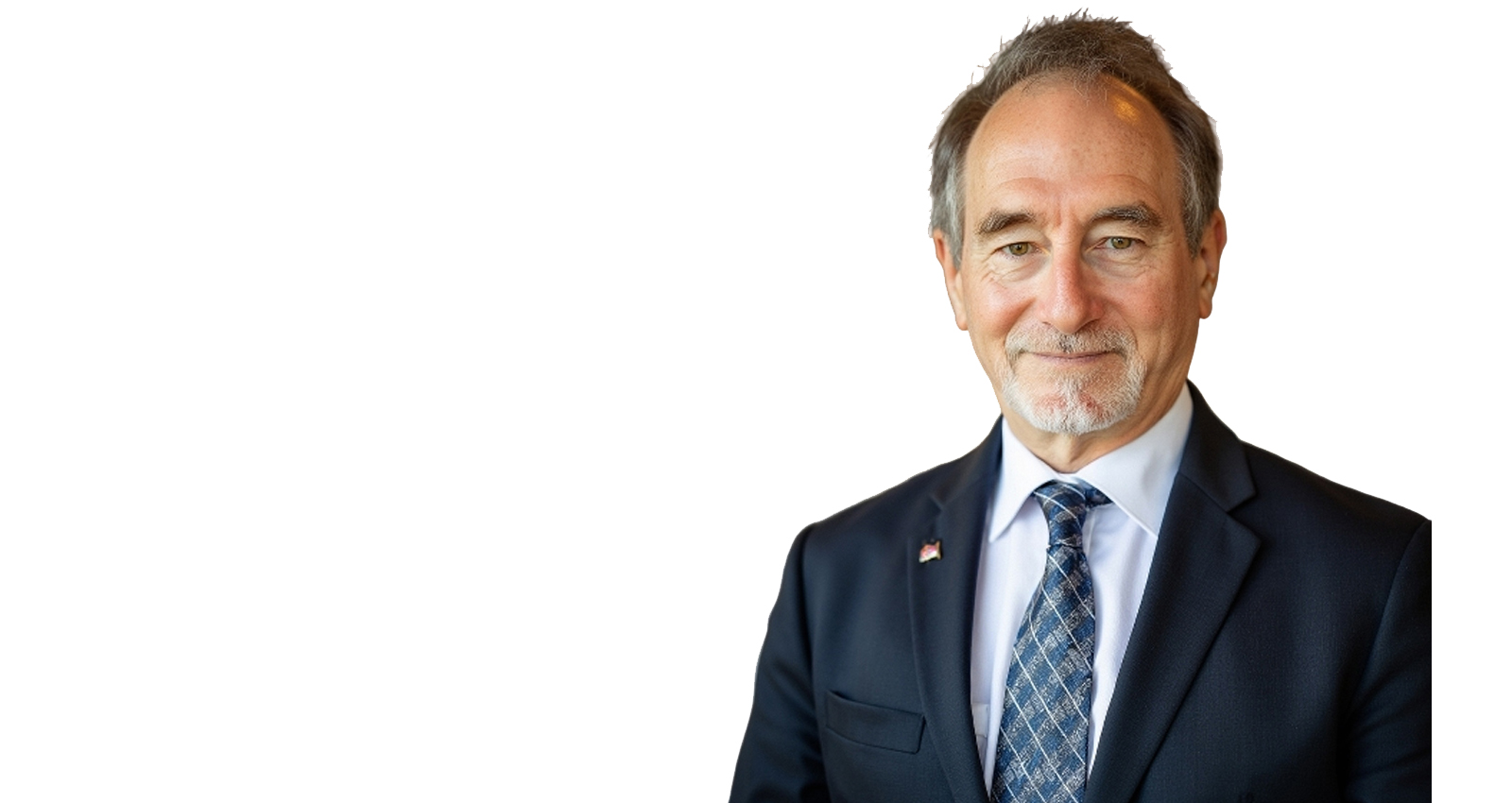
The Cambridge Computer Scientist Who Became an Aging Researcher
Aubrey David Nicholas Jasper de Grey was born in London in 1963. He studied computer science at Cambridge, where he later earned a PhD in biology based on his book "The Mitochondrial Free Radical Theory of Aging." His transition from computer science to biology was unusual but deliberate — de Grey saw aging as an engineering problem, not just a biological mystery.
In 2009, he founded the SENS Research Foundation (SRF) to fund and conduct research on regenerative medicine approaches to aging. His thesis was simple but radical: we don't need to fully understand the enormously complex biology of aging to defeat it. We just need to identify the types of damage that accumulate, and develop therapies to repair each one.
The Seven Categories of Aging Damage
De Grey's SENS framework identifies seven categories of molecular and cellular damage that cause aging:
1. Cell loss / tissue atrophy — Cells die and aren't replaced (e.g., heart cells, neurons). Solution: stem cell therapies.
2. Cancerous cells — Cells mutate and multiply uncontrollably. Solution: WILT (Whole-body Interdiction of Lengthening of Telomeres) — removing telomerase genes to prevent cancer growth.
3. Mitochondrial mutations — Damage to mitochondrial DNA impairs energy production. Solution: allotopic expression — copying mitochondrial genes to the nucleus.
4. Death-resistant cells (senescent cells) — Zombie cells that refuse to die and poison surrounding tissue with inflammatory signals. Solution: senolytics — drugs that selectively destroy senescent cells.
5. Extracellular crosslinks — Proteins outside cells become stuck together, causing tissue stiffening. Solution: crosslink-breaking enzymes.
6. Extracellular aggregates — Junk proteins accumulating outside cells (e.g., amyloid plaques). Solution: immune-based clearance therapies.
7. Intracellular aggregates — Junk accumulating inside cells (e.g., lipofuscin). Solution: enzymes from soil bacteria that can break down waste products human cells cannot.
Longevity Escape Velocity
De Grey's most famous concept is "Longevity Escape Velocity" (LEV) — the point at which medical advances extend life expectancy faster than time passes. In other words, for every year you live, science gives you back more than a year of additional healthy life.
De Grey argued that we don't need to solve aging all at once. First-generation therapies might give a 60-year-old an extra 30 years. During those 30 years, second-generation therapies might give another 50 years. And so on.
The key insight is that reaching LEV requires only that each generation of therapy buys enough time for the next one to be developed. De Grey estimated that achieving LEV would require therapies that could rejuvenate a 60-year-old to the biological equivalent of 40 — a goal he considered achievable within 20-25 years.
Whether this timeline was too optimistic is debatable. But the concept of LEV has become one of the most important ideas in longevity science.
Impact and Legacy
De Grey's impact on the longevity field cannot be overstated. Before SENS, aging research was a backwater — underfunded, unfashionable, and dominated by researchers focused on understanding aging rather than fighting it. De Grey's provocative public advocacy — including a famous 2005 TED talk — helped legitimize the idea that aging is a problem worth solving and brought billions of dollars into the field.
SENS Research Foundation funded early work on several therapies that have since entered clinical development, most notably senolytics (drugs targeting senescent cells, now in clinical trials by Unity Biotechnology and others).
De Grey left SRF in 2021 amid personal controversies. He subsequently founded the LEV Foundation to continue his work. Regardless of the organizational changes, his intellectual contributions — the SENS framework, the concept of LEV, and the engineering approach to aging — remain foundational to the field.