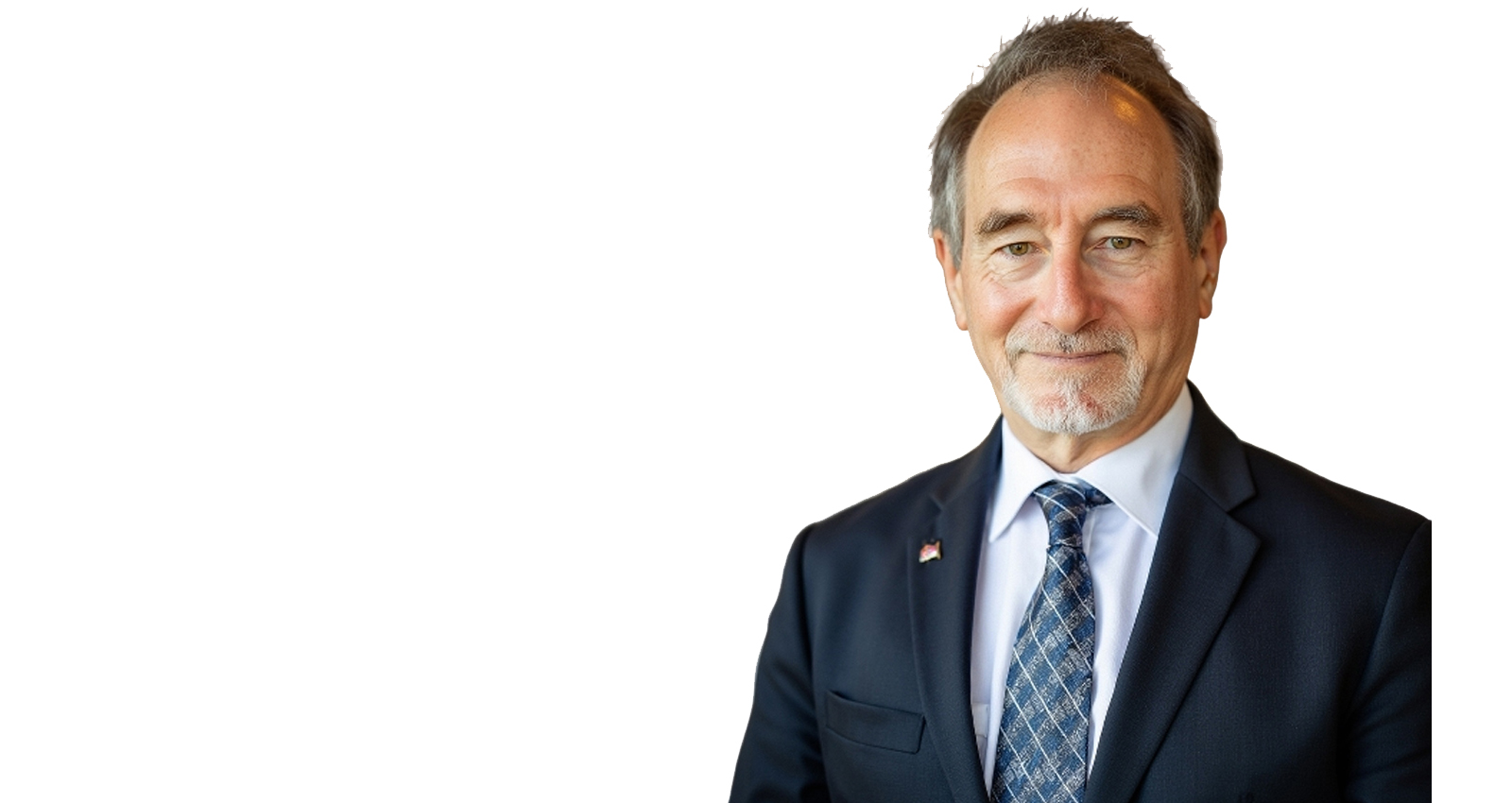
The Original Longevity Radical
William Faloon didn't come from the ivory towers of Harvard or MIT. Born in 1954, he became obsessed with conquering death as a young man after watching family members die of age-related diseases. Without a formal medical degree, he educated himself relentlessly — reading thousands of scientific papers, attending conferences, and building relationships with researchers worldwide.
In 1980, he co-founded the Life Extension Foundation (LEF) with Saul Kent, creating what would become the longest-running organization dedicated to radical life extension. The Foundation's dual mission was simple and audacious: fund research to defeat aging, and give people access to life-extending supplements and information that the medical establishment refused to acknowledge.
The FDA Raids
Faloon's early years were defined by conflict with the FDA. In 1987, armed FDA agents raided Life Extension's offices, seizing products and publications. Faloon and Kent were indicted on 56 criminal counts related to selling unapproved drugs and making unauthorized health claims. The case dragged on for 8 years before being dismissed in 1995.
The irony: many of the supplements Faloon was prosecuted for selling — CoQ10, DHEA, fish oil, melatonin — are now mainstream, sold in every pharmacy and backed by substantial clinical evidence. Faloon was simply decades ahead of conventional medicine.
The FDA battles made Faloon a folk hero in the health freedom movement. He became one of the most vocal advocates for supplement deregulation, contributing to the passage of the Dietary Supplement Health and Education Act (DSHEA) of 1994, which protected Americans' right to buy supplements without a prescription.
Funding the Science
Life Extension Foundation has donated over $175 million to anti-aging research, making it one of the largest private funders of longevity science in the world. The Foundation has funded studies on:
- Caloric restriction and fasting mimicking diets
- Senolytics — drugs that clear senescent (zombie) cells
- Organ preservation — cryopreservation technology for transplant organs
- Rapamycin — the mTOR inhibitor showing lifespan extension in multiple species
- Stem cell therapies for age-related diseases
- Metformin — supporting the TAME (Targeting Aging with Metformin) trial
Faloon's monthly column in Life Extension Magazine — which has over 300,000 subscribers — has introduced millions of people to emerging longevity research, often years before mainstream media coverage.
Faloon's Personal Protocol
At over 70, Faloon practices what he preaches. His personal supplement regimen is extensive — reportedly involving dozens of compounds daily, including:
- NAD+ precursors (NMN and NR)
- Metformin
- Rapamycin (intermittent low-dose)
- Senolytics (dasatinib + quercetin cycles)
- Resveratrol and pterostilbene
- Comprehensive vitamin/mineral stacks
- Omega-3 fatty acids (high-dose)
- CoQ10 / Ubiquinol
- DHEA
- Melatonin
He also undergoes regular comprehensive blood testing (multiple times per year), follows a calorie-restricted diet, exercises regularly, and has been open about using experimental therapies that most physicians wouldn't consider.
Legacy and Ongoing Work
Today, Life Extension Foundation operates one of the largest direct-to-consumer blood testing services in the US, alongside its supplement business and research funding. Faloon continues to write, advocate, and fund research.
His most ambitious current project is advocating for the classification of aging as a disease by the FDA and WHO — the same goal David Sinclair pursues from academia. If aging were officially classified as a disease, it would unlock billions in pharmaceutical R&D funding and open regulatory pathways for therapies that target aging itself rather than individual diseases.
Whether you agree with all of Faloon's views or not, his four-decade commitment to the cause of life extension — often at personal legal and financial risk — has been instrumental in building the longevity movement we see today.